
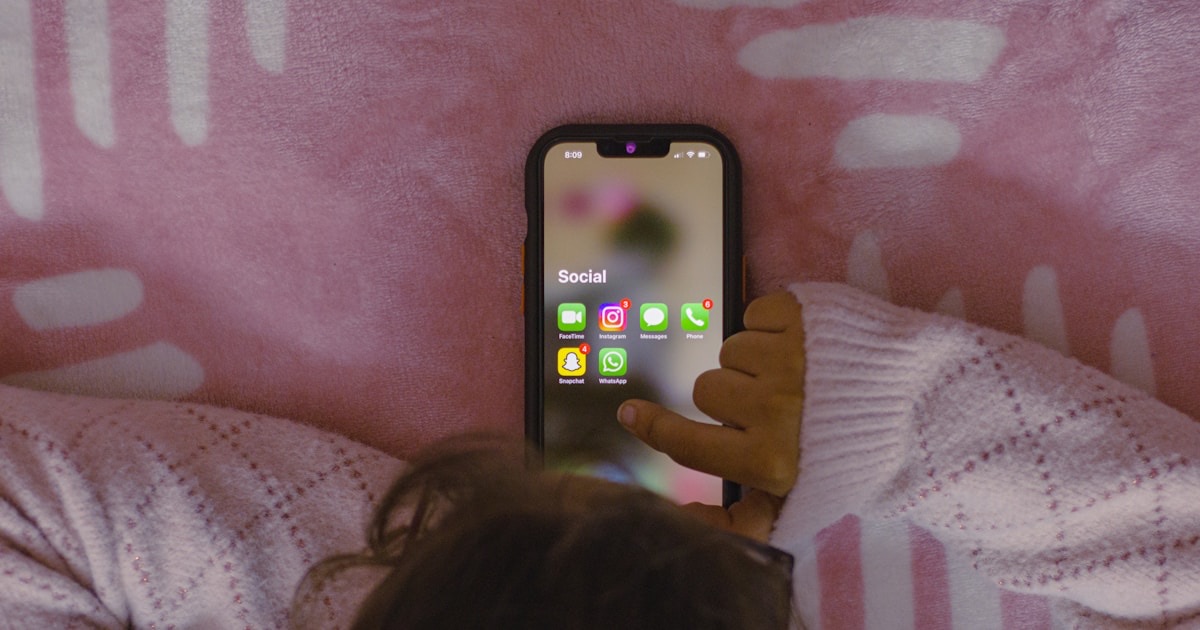
Screen time addiction has become the defining behavioral challenge of our generation.
If you’ve ever found yourself scrolling at 2 AM despite knowing you need to sleep, or felt phantom vibrations from a phone that isn’t buzzing, or experienced genuine anxiety when separated from your device — you’re not alone. And more importantly, there’s a way out.
This guide is the most comprehensive resource you’ll find on understanding, identifying, and overcoming screen time addiction. We’ll cover the science, the symptoms, and most importantly, the strategies that actually work.
Let’s dive in.
What Is Screen Time Addiction?
Screen time addiction — also called problematic smartphone use, internet addiction, or digital dependency — refers to compulsive engagement with screens (phones, tablets, computers) that negatively impacts daily functioning, relationships, mental health, or physical well-being.
Unlike substance addictions, screen time addiction doesn’t involve ingesting a chemical. But the neurological mechanisms are remarkably similar. When you scroll through social media, your brain releases dopamine — the same neurotransmitter involved in gambling, drug use, and other addictive behaviors.
The Numbers Don’t Lie
The scale of this problem is staggering:
- 210 million people worldwide suffer from social media and internet addiction
- The average person spends 4.6 hours daily on their phone — that’s 70 full days per year
- 82% of Gen Z believe they’re addicted to social media
- Over a lifetime, the average person will spend 12 years looking at their phone
For the full breakdown, see our comprehensive statistics on doomscrolling.
Is It Really an “Addiction”?
Some researchers debate whether “addiction” is the right term for problematic screen use. The DSM-5 (the psychiatric diagnostic manual) doesn’t officially recognize “smartphone addiction” as a disorder, though it does include “Internet Gaming Disorder” as a condition warranting further study.
But here’s what matters: whether we call it addiction, dependency, or problematic use, the effects are real. And the strategies for addressing it are well-documented.
The Science Behind Screen Time Addiction
To beat any behavioral pattern, you need to understand what drives it. Screen time addiction operates on several neurological and psychological mechanisms.
The Dopamine Loop
Every time you receive a like, comment, or message, your brain releases a small burst of dopamine. This feels good — it’s the same reward system that evolved to encourage beneficial behaviors like eating and social bonding.
But social media has hacked this system. The variable reward schedule (sometimes you get likes, sometimes you don’t) creates what psychologists call “intermittent reinforcement” — the same mechanism that makes slot machines so addictive.
A 2019 study in Neuropsychopharmacology found that even brief bouts of smartphone use can trigger dopamine release comparable to receiving money.
The Infinite Scroll Trap
Social media platforms are designed without natural stopping points. Unlike a newspaper that ends or a TV show with credits, infinite scroll removes all friction. TikTok, Instagram Reels, and YouTube Shorts are specifically engineered to keep you watching “just one more.”
This design exploits our brain’s difficulty with open-ended tasks. Without a clear endpoint, our natural “completion” instinct never triggers.
FOMO and Social Comparison
Fear of missing out (FOMO) drives much of our compulsive checking behavior. Social media creates an illusion that everyone else is having better experiences, which triggers anxiety and more checking.
Research from the University of Pennsylvania found that limiting social media use to 30 minutes per day led to significant reductions in loneliness and depression — largely because it reduced social comparison.
The Attention Economy
Tech companies make money by capturing and selling your attention. Their algorithms are optimized by teams of brilliant engineers whose explicit goal is maximizing “engagement” — a euphemism for time spent on platform.
You’re not fighting your own willpower. You’re fighting billions of dollars of R&D designed to keep you scrolling.
Signs You Have a Screen Time Problem
Not all screen time is problematic. Watching an educational video or video-calling a friend is different from mindlessly scrolling for hours.
Here are signs that your screen time has become problematic:
Behavioral Signs
Loss of time awareness — You regularly lose track of time while on your phone (“Where did the last 2 hours go?“)
Failed attempts to cut back — You’ve tried to reduce usage multiple times without success
Reaching for phone automatically — You check your phone without conscious intention, often not remembering picking it up
Using phone in inappropriate contexts — Scrolling during conversations, at dinner, or while driving
Phantom notifications — Feeling vibrations or hearing notification sounds that aren’t there
Emotional Signs
Anxiety without your phone — Feeling uncomfortable, restless, or irritable when separated from your device
Using phone to escape — Turning to scrolling when stressed, bored, lonely, or anxious
Mood changes based on notifications — Your emotional state is significantly affected by likes, comments, or messages
Guilt after scrolling sessions — Feeling shame or regret after extended phone use
Defensive about usage — Getting angry or dismissive when others comment on your phone use
Physical Signs
Sleep disruption — Difficulty falling asleep or poor sleep quality from late-night scrolling
Eye strain — Dry, tired, or strained eyes (sometimes called “computer vision syndrome”)
Text neck — Chronic neck pain from looking down at devices
Sedentary behavior — Reduced physical activity due to screen time
Carpal tunnel symptoms — Pain, numbness, or tingling in hands/wrists
Impact Signs
Declining work/school performance — Difficulty concentrating or meeting deadlines
Relationship problems — Conflicts with family or friends about phone use
Neglected responsibilities — Chores, errands, or obligations left undone
Reduced hobby engagement — Activities you used to enjoy now feel “too slow” compared to scrolling
Social isolation — Preferring online interaction to in-person connection
If you recognize 5+ of these signs in yourself, you likely have a screen time problem worth addressing.
Why Traditional Approaches Fail
Before we discuss what works, let’s understand why common approaches don’t.
Willpower Alone
“Just use your phone less” is advice that fundamentally misunderstands the problem. Willpower is a finite resource that depletes throughout the day. And you’re fighting against algorithms designed specifically to bypass your rational decision-making.
A study from Duke University found that 40% of our daily actions are habits, not conscious decisions. You can’t willpower your way out of a habit loop.
Built-in Screen Time Limits
Apple’s Screen Time and Android’s Digital Wellbeing seem like solutions. But they have a fatal flaw: the “Ignore Limit” button.
Every time you hit your limit, a simple tap extends it. After a few days, pressing that button becomes as automatic as the scrolling itself.
Deleting Apps
Deleting social media apps works temporarily. But most people reinstall within days. And even if you don’t, you often just shift to another dopamine source — YouTube, news sites, or games.
Deleting apps addresses the symptom (access to a specific app) without addressing the cause (your brain seeking dopamine).
Cold Turkey Quitting
Some people try going completely phone-free or taking “digital detoxes.” While these can be useful for resetting your baseline (see our digital detox guide), they don’t build sustainable habits.
The goal isn’t to never use your phone. It’s to use it intentionally.
Strategies That Actually Work
Based on behavioral psychology research and real-world success stories, here are the strategies that actually reduce screen time long-term.
1. Understand Your Triggers
Before changing behavior, you need to understand what triggers it. For one week, whenever you pick up your phone, note:
- Time of day
- Location
- Emotional state (bored, anxious, lonely, stressed, tired)
- What you were doing before
You’ll likely find patterns. Maybe you scroll when you’re waiting for something. Maybe it’s when you’re avoiding a difficult task. Maybe it’s right after waking up or before bed.
Understanding your triggers lets you address the root cause, not just the behavior.
2. Replace, Don’t Just Remove
This is the most important principle. When you remove a dopamine source without replacing it, your brain experiences withdrawal and seeks alternatives.
The solution: replace scrolling with something that provides similar neurological rewards.
This is exactly why I built RepsForReels. Instead of just blocking social media, it makes you earn screen time through exercise. You still get dopamine — but from pushups, not pixels.
Other replacement activities that work:
- Physical exercise (releases dopamine, endorphins, serotonin)
- Creative hobbies (music, art, writing)
- Social connection (actual conversations)
- Learning (the satisfaction of mastery)
For my personal story of how this approach worked, see How I Cut My Screen Time From 9 Hours to 2 Hours.
3. Create Friction
Make it harder to engage in unwanted behavior. Small obstacles have outsized effects on habit formation.
Effective friction tactics:
- Remove apps from home screen — Burying apps in folders adds seconds of friction
- Turn off notifications — All of them except calls and texts from real humans
- Use grayscale mode — Color is more stimulating; grayscale is boring
- Keep phone in another room — Physical distance creates mental distance
- Use app blockers — See our comparison of the best anti-doomscrolling apps
- Log out after each session — The login friction makes you conscious of opening
4. Design Your Environment
Your environment shapes your behavior more than your intentions do. Design it for success.
Bedroom:
- Get an actual alarm clock (remove the “I need my phone for the alarm” excuse)
- Charge your phone outside the bedroom
- No screens in bed, period
Work/study space:
- Phone in a drawer, not on desk
- Use website blockers on your computer
- Create a “focus mode” setup
Living spaces:
- Designate phone-free zones (dining table, couch)
- Have non-screen alternatives visible (books, instruments, workout equipment)
5. Set Implementation Intentions
Vague goals fail. Specific plans succeed.
Instead of “I’ll use my phone less,” try:
- “When I feel the urge to scroll at night, I will read for 10 minutes instead”
- “When I wake up, I will not touch my phone until after I’ve showered and eaten”
- “When I’m waiting in line, I will observe my surroundings instead of pulling out my phone”
Research shows that implementation intentions (if-then plans) roughly double your chance of achieving behavioral change.
6. Use Commitment Devices
A commitment device is something that locks in future behavior, making it harder to back out.
Examples:
- Tell others about your goal — Social accountability makes quitting harder
- Use apps with “strict mode” — Some apps genuinely prevent bypassing
- Create financial stakes — Services like Beeminder charge you money if you don’t meet goals
- Schedule screen-free activities — If you’ve committed to a hike with a friend, you can’t be scrolling
7. Practice the “One Sec” Rule
Before opening any potentially addictive app, pause for one breath. Ask yourself: “Do I actually want to do this, or is it just automatic?”
This tiny pause interrupts the autopilot behavior and gives your rational brain a chance to intervene. Apps like One Sec automate this, but you can do it manually.
8. Redefine Your Identity
Long-term behavior change often requires identity change. Instead of “I’m trying to use my phone less,” adopt “I’m not someone who mindlessly scrolls.”
When you identify as a person who doesn’t doomscroll, individual decisions become easier. You’re not constantly deciding whether to scroll — you’ve already decided who you are.
9. Address Underlying Issues
Sometimes excessive screen time is a symptom, not the root problem. If you’re scrolling to escape anxiety, loneliness, depression, or trauma, no amount of app blocking will fix the underlying issue.
Consider:
- Therapy (especially CBT for behavioral issues)
- Medication (if underlying mental health conditions)
- Social skills development (if using phones to avoid real interaction)
- Stress management (if scrolling is your only coping mechanism)
10. Be Patient and Compassionate
Changing ingrained habits takes time. Research suggests it takes an average of 66 days to form a new habit (not 21, as often claimed).
You will slip up. That’s normal. The goal isn’t perfection — it’s progress. Each day you’re slightly more conscious of your phone use is a win.
Building a Sustainable System
Here’s a framework for putting these strategies together:
Week 1: Awareness
- Track your phone usage (time, triggers, emotions)
- Identify your top 3 problem apps
- No changes yet — just observe
Week 2: Friction
- Remove problem apps from home screen
- Turn off all non-essential notifications
- Set up one environmental change (phone charging station outside bedroom)
Week 3: Replacement
- Choose one replacement activity (exercise, reading, hobby)
- Install a helpful app (RepsForReels, One Sec, or similar)
- Create 3 implementation intentions
Week 4: Commitment
- Tell someone about your goal
- Schedule 3 phone-free activities for the week
- Review and adjust based on what’s working
Ongoing
- Weekly review of screen time statistics
- Monthly assessment of which strategies are working
- Continuous adjustment and experimentation
Tools and Resources
Recommended Apps
| App | Best For | Price |
|---|---|---|
| RepsForReels | Exercise-based blocking | Free / $4.99/mo |
| Opal | Hard blocking | $8.29/mo |
| One Sec | Mindfulness pause | Free / $4.99/mo |
| Freedom | Multi-device blocking | $8.99/mo |
| Forest | Gamification | $3.99 one-time |
For detailed reviews, see our complete app comparison.
Books Worth Reading
- Indistractable by Nir Eyal — Practical framework for managing distraction
- Digital Minimalism by Cal Newport — Philosophy of intentional technology use
- Atomic Habits by James Clear — General habit change principles
- Hooked by Nir Eyal — Understanding how apps are designed to addict (know your enemy)
Professional Resources
If your screen time problem is severe, consider professional help:
- Cognitive Behavioral Therapy (CBT) — Effective for behavioral addictions
- Addiction counselors — Some specialize in technology addiction
- Psychiatry — If underlying mental health conditions are involved
- Digital wellness coaches — Emerging field specifically for this problem
For Parents
If you’re concerned about your child’s screen time, the principles above apply with some modifications:
Model the Behavior
Children learn more from what you do than what you say. If you’re constantly on your phone, they will be too.
Create Family Rules
- Phone-free meals
- Device curfews (no screens after 8 PM)
- Screen-free Sundays or similar
Use Parental Controls
Apple Screen Time and Google Family Link offer more robust controls for children’s devices than the adult versions.
Have Ongoing Conversations
Rather than lecturing, ask questions:
- “How do you feel after you’ve been on your phone for a while?”
- “What else could you do when you’re bored?”
- “Have you noticed how apps are designed to keep you scrolling?”
Provide Alternatives
Children need engaging alternatives. Sports, music, art, outdoor play, and social activities all compete with screens.
The Path Forward
Screen time addiction is real, but it’s not inevitable. With the right understanding, strategies, and tools, you can reclaim your attention and your time.
Remember:
- This is not about willpower. It’s about systems, environment, and replacement behaviors.
- You’re not weak. You’re fighting against billions of dollars of manipulation technology.
- Progress over perfection. Every minute of intentional phone use is a win.
The goal isn’t to never use your phone. It’s to use it when you want to, not when it wants you to.
If you’re ready to start, pick one strategy from this guide and implement it today. Not tomorrow. Today.
And if you want a system that turns the problem (phone checking) into a solution (exercise), RepsForReels might be exactly what you need. No reps, no reels.
Found this guide helpful? Share it with someone who might benefit. And reach out on X to let me know which strategies work for you.
Related Articles
- Doomscrolling Statistics 2026: 50 Shocking Numbers
- How I Cut My Screen Time From 9 Hours to 2 Hours
- 11 Best Apps to Stop Doomscrolling in 2026
- What Happens to Your Brain When You Doomscroll
- How to Do a Digital Detox That Actually Works
References
- DemandSage. (2026). Social Media Addiction Statistics
- Lembke, A. (2021). Dopamine Nation: Finding Balance in the Age of Indulgence. Dutton.
- Hunt, M.G., et al. (2018). No More FOMO: Limiting Social Media Decreases Loneliness and Depression. Journal of Social and Clinical Psychology.
- Wood, W. & Rünger, D. (2016). Psychology of Habit. Annual Review of Psychology.
- Alter, A. (2017). Irresistible: The Rise of Addictive Technology. Penguin Press.
- Eyal, N. (2019). Indistractable: How to Control Your Attention and Choose Your Life. BenBella Books.
- Newport, C. (2019). Digital Minimalism: Choosing a Focused Life in a Noisy World. Portfolio.
- American Psychiatric Association. (2013). Diagnostic and Statistical Manual of Mental Disorders (5th ed.).
- Gollwitzer, P.M. (1999). Implementation Intentions: Strong Effects of Simple Plans. American Psychologist.
- Lally, P., et al. (2010). How are habits formed: Modelling habit formation in the real world. European Journal of Social Psychology.